Condition
Map failures and water.
Use one site map to record cracking, deformation, potholes, edges, utilities, ponding and the traffic that crosses each zone.
Open the condition checklist ↗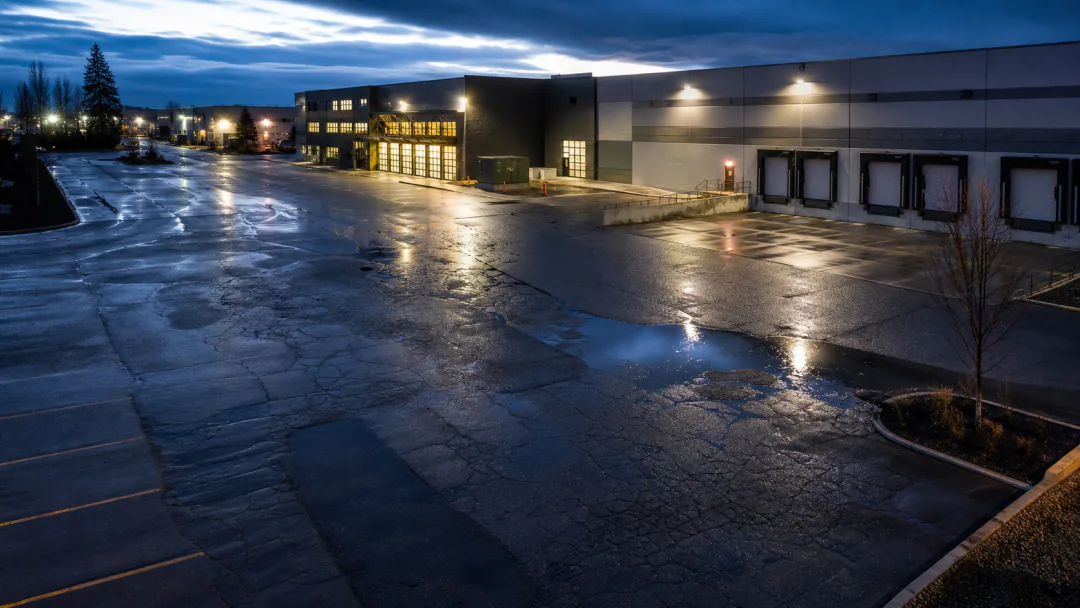

Commercial paving / Langley BC
Commercial paving for parking, loading, access and shared properties—planned around water, traffic, tenants and the hours the operation cannot afford to lose.
The business surface
Every entrance, bay, aisle and accessible route carries a business requirement before it carries a vehicle.
A serious commercial scope records failure and water, then puts access, tenant communication, delivery windows, phasing and closeout evidence on the same page.
Commercial paving site review
Four operational passes replace the abstract site plan with the real property condition, movement, staged work and handback.
Condition
Use one site map to record cracking, deformation, potholes, edges, utilities, ponding and the traffic that crosses each zone.
Open the condition checklist ↗Flow
Mark customer entrances, loading paths, accessible routes, emergency access and the hours each movement matters.
Plan occupied-site phasing ↗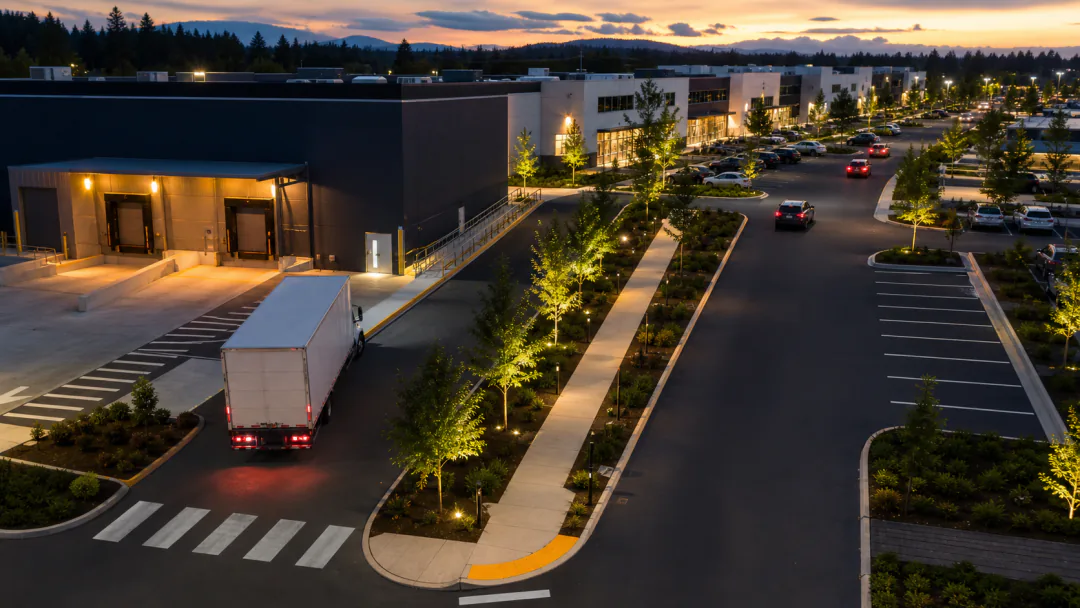
Zones
Divide the site into workable zones, then ask how temporary routing, weather, tie-ins and scope changes affect the sequence.
Align stakeholder needs ↗
Reopen
Include transitions, drainage observations, markings, access restoration and closeout records in the comparison—not only the opening date.
Build the RFP checklist ↗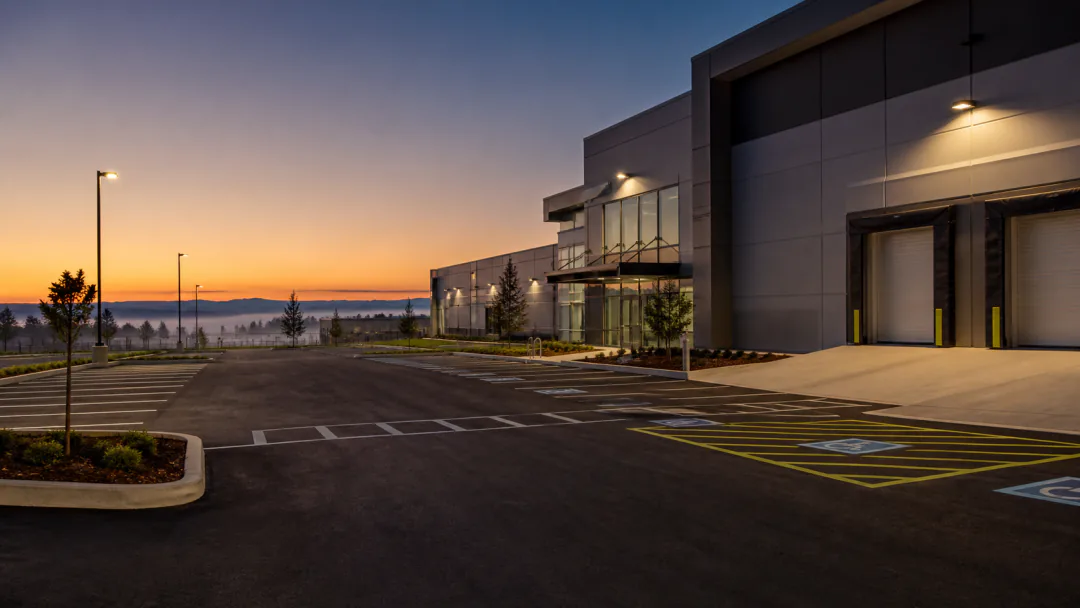
Start with one shared evidence layer before comparing methods or schedules.
Optional site-brief builder
Select the property constraints that belong in the first conversation. This worksheet never adds fields to the short public form.
Copy these topics into Project Details if they help. Final feasibility, method, approvals and schedule require address- and scope-specific review.
Continue to short formCommercial paving services + guides
Review parking lot conditions, repair methods, drainage, phasing, shared-property coordination and estimate details before work begins.
Map cracking, deformation, water, utilities, traffic and accessibility context.
Open the field checklist ↗02 / METHODCompare patching, milling, overlay and reconstruction evidence.
Compare methods ↗03 / OPERATIONSPlan zones, closures, deliveries, access, weather and communication.
Build the sequence ↗04 / WATERInvestigate ponding, outlets, grades, base saturation and design boundaries.
Map water first ↗05 / PROCUREMENTAsk every bidder for the same quantities, methods, schedule and closeout.
Build comparable bids ↗06 / STAKEHOLDERSAlign authority, notices, parking, access and scope-change records.
Prepare the stakeholder brief ↗How it works
Failures, water, utilities, traffic and property constraints.
Zones, access, communications, timing and contingency questions.
Quantities, preparation, methods, exclusions and evidence.
Transitions, drainage, markings, access and closeout records.
Why this approach
The strongest commercial conversation gives every bidder the same property reality—without inventing engineering, schedule or performance promises.
Use the RFP frameworkA shared map reduces ambiguity about where the site is failing.
Entrances, deliveries, accessible routes and tenant needs become scope inputs.
Preparation, methods, exclusions and closeout evidence are asked consistently.
Engineering, municipal and accessibility questions remain check-first items.
Langley jurisdiction context
Langley City and the Township of Langley have different contacts and may have different processes depending on the exact property and scope. The site brief records the address so public-road access, drainage, traffic-control and approval questions can be routed correctly.
Township engineering forms + guides ↗Confirm the exact civic contact and any scope that touches public access or municipal infrastructure.
Use the Township’s current engineering guidance for address- and scope-specific checks.
Phasing may be possible, but the workable sequence depends on site geometry, traffic, loading, pedestrian and accessible routes, material access, weather, tie-ins and the scope established after review.
Compare methods after recording surface distress, movement, water, base indicators, existing elevations and operational constraints. A site review is required before selecting a method.
Ask each bidder to address the same quantities, preparation, rehabilitation method, drainage coordination, traffic/phasing assumptions, exclusions, quality checks and closeout deliverables.
No. Feasibility, access arrangements and schedule depend on the exact property, method, approvals, weather, operating constraints and provider capacity.
Commercial site brief
Use the short form or call. Include operating constraints in Project Details if they are useful.
Call the Langley commercial line(778) 770-4661extension 229